Signs Your Career Has Stopped Growing and What to Do Next
You have been doing the same job for a while. You know your work well, rarely face anything new, and your responsibilities have not changed much. At first, this may feel comfortable. You know what to do, you know your routine, and you can finish your work without much difficulty.
Being comfortable at work is not necessarily a bad thing. But if months or even years pass without learning, taking on new responsibilities, or moving closer to your goals, it may be time to ask yourself: “Am I still growing in my career?”
Career growth does not always mean getting a promotion or changing your job title. It can also mean learning new skills, taking on greater responsibilities, working on challenging projects, earning more, or moving closer to your long-term career goals. If none of these things have changed for a long time, it may be worth taking a closer look at where your career is going.
Here are some signs that your career may have stopped growing and what you can do about them.
When Your Work Becomes a Routine
There is a good side to routine. You become faster, more confident, and more independent. You know exactly what needs to be done every day, but you are no longer learning from the work.
If your role has become completely predictable, look for ways to expand it. Ask to work on a new project, learn another process, or support a different team. A new challenge can bring learning back into your everyday work.
Your Responsibilities Have Stayed the Same
A promotion is not the only sign of progress. If you have been in the same position for some time but have started handling bigger projects, important clients, new employees, or decisions with less supervision, you are growing.
But if your responsibilities have remained almost exactly the same since you started, it may be time to ask for more. Talk to your manager about where you can contribute more. You may not receive a new designation immediately, but you could get an opportunity that helps you prepare for one. You do not always need to wait for a promotion to ask for an opportunity for your career development.
Your Work No Longer Challenges You
There is a difference between being good at your job and having no room left to grow in it. If you can complete your work without learning, solving new problems, or developing new skills, you may have outgrown your current responsibilities.
Try taking on something outside your usual routine. Volunteer for a difficult assignment, work with another department, or learn a process you have not worked with before. Sometimes, the next stage of growth starts with doing something you have not done before.
You Cannot See a Next Step
You do not need to have your entire career planned. But you should have some idea of where you want to go next. If you have no idea what role, skill, or responsibility you want to work toward, it can be difficult to know what to do next.
Start by asking yourself: Where do I want to be one or two years from now?
You might want to become a team leader, develop expertise in your field, change your career path, or move into a completely different industry. Take some time to identify what interests you and what kind of work you want to be doing in the future. Once you know the direction, it becomes easier to identify the skills and experience you need for your next career path.
Your Current Role No Longer Fits Your Goals
Sometimes your career has not stopped growing. Your goals have simply changed. Your first job does not have to be your final career path. As you gain experience, your interests can change.
A customer service professional may discover an interest in sales. An accountant may want to move into financial analysis. A marketing executive may decide to specialize in digital marketing. The important thing is to understand what you want to move toward. Changing direction does not mean starting from zero. The experience and transferable skills you have already gained can help you move into a new role
You Are Staying Only Because It Is Comfortable
Sometimes, the biggest reason people stay in a job is familiarity. You know your colleagues, your routine, your responsibilities, and what to expect every month. But ask yourself whether you are staying because the job is helping you grow or simply because it feels comfortable.
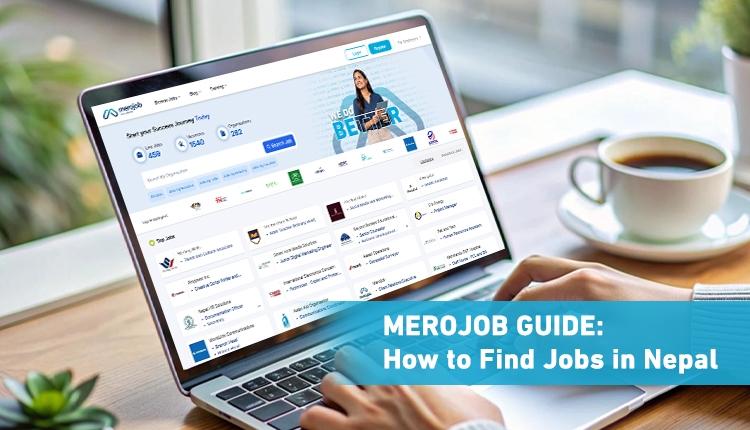
If you are no longer learning, your responsibilities are not increasing, and there is no clear opportunity ahead, start exploring the market. Browse relevant jobs on Merojob, compare job requirements, check the skills employers are seeking, and see whether there are roles that match your experience and goals.
Sometimes, knowing what is available is enough to help you decide your next move. You may discover an opportunity that you had not considered before.
If you recognize several of these signs, do not panic. Career growth can be restarted.
Start with small steps:
Learn something relevant: Choose one skill that can improve your current work or prepare you for your next role.
Ask for more responsibility: Speak with your manager about projects or tasks where you can contribute more.
Update your CV: Add recent responsibilities, achievements, skills, and projects instead of only listing your job duties.
Update your Merojob profile: Make sure your skills, experience, education, and career information are current.
Explore job opportunities: Look at roles in your field to understand what employers are currently seeking.
Build professional connections: Learn from colleagues, mentors, and professionals working in your area of interest.
Set a realistic goal: Decide what you want to improve or achieve in the next six months.
Final Thoughts
Career growth does not always happen through a promotion. Sometimes, it happens when you learn a new skill. Sometimes, it is taking responsibility for a project, moving into a new function, building valuable experience, or simply becoming better at what you do.
If you feel stuck, take a step back and look at your career honestly. Identify what has changed, what has not, and what you want to change next. You do not have to figure everything out at once. Start with one skill, one conversation, one new responsibility, or one opportunity.
And when you are ready to explore what comes next, Merojob can help you discover relevant job opportunities and connect your experience and skills with employers looking for talent. Your career does not have to move up every year. But it should keep moving forward.