How to Build a Talent Pipeline Before You Have a Vacancy
The hiring process usually starts when there is a need for a job opening. HR team drafts a job description, advertises the position, assesses applications, and shortlists the candidates. But it will take time to find the right fit, particularly if the company is looking for a person who possesses specific skills or experience.
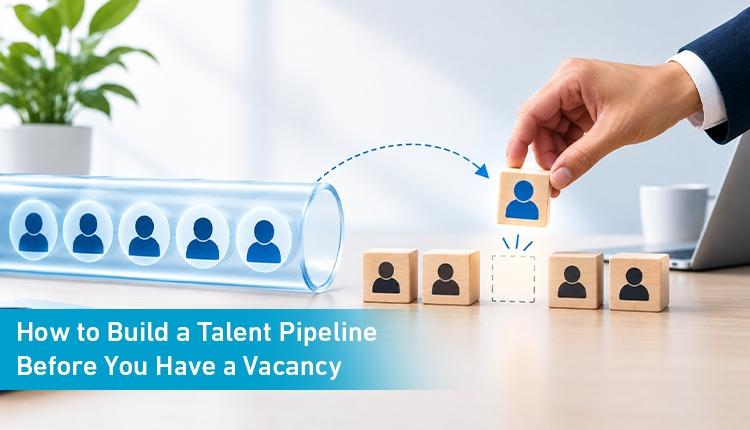
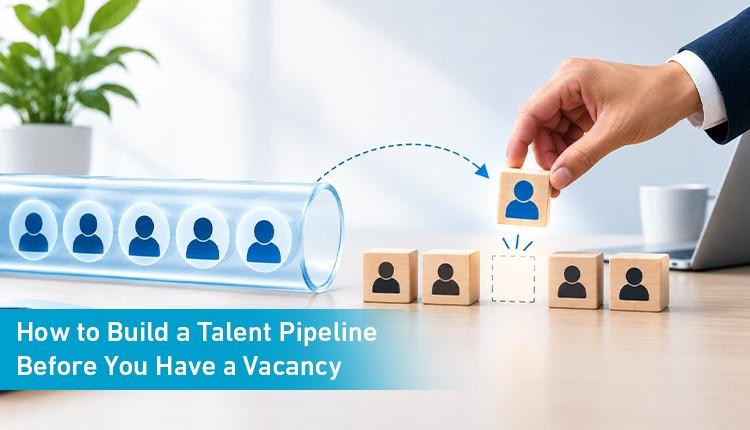
However, it is not always necessary to start hiring when a job needs to be filled. Employers can begin to reach out to prospective employees ahead of the hiring process. This is referred to as developing a talent pipeline. Companies can avoid the hassle of a complete recruitment process each time a new job opening arises and make the hiring process more efficient and organized by preparing beforehand.
One way to do this is to use recruitment platforms such as Merojob to reach out to individuals looking for work, look at their profiles, and use recruitment services to address the employer's needs.
What a Talent Pipeline Means
A talent pipeline is a group of potential candidates whom a company identifies and stays connected with for future job opportunities. These candidates may not be actively searching for a job, but they might have the skills and experience needed down the road.
For instance, a growing company could require additional accountants, marketing executives, or IT professionals in the upcoming months. The HR team is not compelled to wait for these roles to become available; they can find the right candidates ahead of time.
A talent pipeline is not all about CVs. It is also about knowing the skills and experience of candidates, maintaining up-to-date information, and establishing working relationships with them.
Why Employers Should Build a Talent Pipeline
The idea of a talent pipeline is to help companies get ready for future hires rather than be caught off-guard when a job comes up. Some of its key benefits are:
1. Saves Hiring Time
In case of a vacancy, the HR team may have a list of candidates to reach out to. This eliminates the time that would be spent finding people in the initial stages.
2. Helps Find Suitable Candidates
Employers get more time to understand candidates' skills, qualifications and experience. This makes it easier to find people who match the company's requirements.
3. Reduces Hiring Pressure
Hiring in a rush can be a stressful process for HR. It is easier to run a recruitment process when there are potential candidates ready.
4. Develops relationships with candidates
Not everybody is looking for work. Keeping in touch with trained professionals ensures that employers can get in touch when a good job comes up.
5. Supports Business Growth
As a business expands, it could require more workers on its team who have different skills. A talent pipeline enables employers to get ready for these needs ahead of time.
How to Build a Talent Pipeline Before You Have a Vacancy
Creating a talent pipeline doesn't have to be difficult. The first step for employers is to determine their hiring requirements, identify candidates, and keep them in touch. Some of the steps that you can take in practice are :
1. Identify Your Future Hiring Needs
The first step is to find out what kind of workers you have the potential to need in your company in the future. Consider your business plans, existing team, and growth. Consider if you might need additional staff, succession planning for key staff, and new skills.
For example: As an IT business grows, it will require additional software developers and quality assurance staff. The manufacturing company may require more manufacturing supervisors and manufacturing technicians.
You do not need to predict every future vacancy. Focus on positions that your company regularly hires for, finds difficult to fill, or may need as the business grows.
2. Define the Skills and Qualifications You Need
After determining the jobs you might need to hire, determine the skills and experience for those jobs. Instead of focusing only on job titles, think about what a suitable candidate should know and be able to do.
For instance, if your business could use a marketing executive, you can begin to look for candidates who have Knowledge of digital marketing, Content creation skills, Good communication skills, Social media management experience, and knowledge of marketing tools.
In addition, recognize skills that need to be acquired before the job and skills that can be acquired on the job. It is better to have definite requirements to recruit the right candidates rather than getting CVs for no reason at all.
3. Find Potential Candidates from Different Sources
A possible alternative is to have candidates from earlier applications that might be suitable for other roles. Your staff could have connections with people who have the right skills and experience for the job.
Professional Networks: Use a site such as Linked-In to network with industry professionals. Interns and fresh graduates may be potential candidates for entry-level positions.
Industry Events and Training Programs: Workshops and seminars are used to connect with individuals who have skills pertinent to the industry.
Employers can also use online job portals such as Merojob to connect with job seekers from various industries and check the candidate profile. Employers can access verified employers' candidate profiles and contact details via InstaHire, without having to wait for applications.
4. Build Relationships with Potential Candidates
The search for candidates is just the initial step. Keep in touch with them rather than just contacting them when a position becomes available. You can:
- Share company news and industry updates.
- Connect through professional networks.
- Invite them to company events or webinars.
- Share updates about your work culture.
- Recognize their professional achievements.
- Check in about their career interests.
For instance, you can let a financial expert know when there are new developments in your field, or invite him or her to an event of a similar nature. Candidates will get to know your company if they are able to establish a connection with you, which will make your company an option when the right opportunity arises.
5. Keep Candidate Information Organized
As more people make it onto your list, be sure to store the necessary information in a system that can be easily accessed by your HR team.
Be sure to include the following information:
- Candidate name and contact details
- Education, skills, and work experience
- Previous applications
- Career interests and preferred location
- Previous communication
- Suitable positions
An Applicant Tracking System (ATS) or spreadsheet can be used to track these details. The ATS streamlines candidate profiles and recruitment processes. Merojob also provides recruitment resources and services to aid in candidate management and hiring. Ensure Candidate information is kept up to date, respect and gain permission for their privacy.
6. Keep Potential Candidates Updated About Your Company
When potential candidates learn about the work culture and opportunities your company will provide, they're more likely to take note of your company. This is where your employer branding comes in.
Share updates about:
- Company achievements and milestones
- Employee experiences and workplace activities
- Training and learning opportunities
- New projects and company growth
Post these on your company website, LinkedIn page, and other social media sites. Maintain visibility to get candidates to know your company and think about future opportunities.
7. Review and Update Your Talent Pipeline Regularly
A talent pipeline must be updated on a regular basis to be useful. Job changes, new skills, moving to a new location, or different career interests can occur. You might also require a new employee.
Check your candidate database regularly:
- Whether contact information is accurate.
- Whether skills and experience are up to date.
- If candidates are still interested in future opportunities
- The suitability of their profiles to your hiring requirements.
- Whether the communication is still relevant or not.
Remove duplicate or outdated records and update information when necessary. Regular reviews help your HR team maintain a relevant pool of potential candidates for future hiring.
Final Thoughts
If a new job comes along, a talent pipeline can help make hiring a breeze. Knowing the company's future hiring requirements, they can find the right people and keep professional connections to reduce hiring pressure and make a more appropriate hiring decision.
But creating a talent pipeline takes work. Keeping track of candidate information is crucial, as is regular review of hiring plans and maintaining a connection with potential employees. With Merojob, employers can connect with jobseekers, explore candidate profiles, and access recruitment solutions to support their hiring needs.