Job Scam or Real Opportunity: A Jobseeker’s Checklist
A very crucial step in your career is to find the right job to establish your career. However, not all the opportunities are real. Jobs are posted on job boards, social media, and messaging platforms all over the place; that means fake job offers and fraudulent recruiters can easily get the attention of job seekers.
Some offer high wages and rapid hiring; others request payment or personal data. So, how can you determine if an opportunity is real or a scam? Check the company, job description, and recruitment process before applying or accepting an offer.
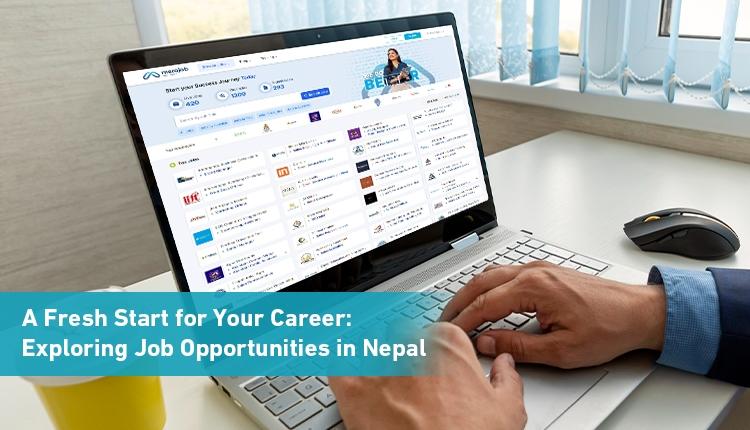
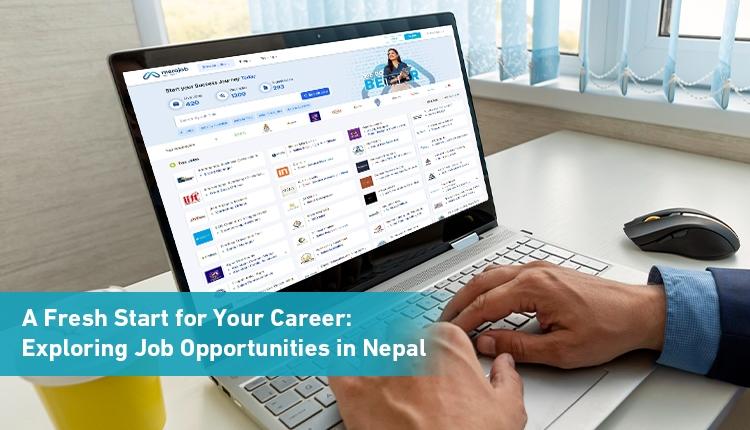
Job hunting isn't merely the process of discovering job openings, but it is the selection of informed decisions too. You can use platforms like Merojob to find jobs in various sectors, see what they look for, and submit applications for jobs of interest to you without paying a fee.
Just take a few minutes before applying, sharing information, or making an offer to cross-check the following points.
Look for a valid company name and ensure it is a real organization. Verify if the company is real or fake. Do some research before applying to the job. Often, scammers will use reputable organizations' names and logos to make attractive job offers appear legitimate.
There are some things to check. These are:
- Check the official website of the Company.
- Look through its LinkedIn profile and social media sites.
- Check its official address and contact info.
- Check its employment website for job openings.
For confirmation, you can also reach out to the company via email and telephone. Even if the website looks professional or the company is well-known, it doesn't necessarily mean the job offer is real. Be sure to check the source before applying.
2. Read the Job Description Carefully
A job description will give you an idea of what an employer expects a candidate to bring to the table. Before applying, make sure that the position specifies:
- Job title and department.
- Teachers must have the following required qualifications and experience:
- Roles and responsibilities
- Required skills
- Work location
- Employment type
- Where applicable: salary and benefits.
- Application deadline
When an ad says that an offer has a large compensation package, watch for any lack of detail about the job. For instance, if someone offers a job with very high pay for only a few hours of basic online work, but doesn't detail what the job entails or what skills are needed, then it is worth exploring further.
Not all short job descriptions are bogus. However, if you do not have clear information, it is a good reason to ask questions before applying.
3. Verify the Recruiter's Identity
If you receive a message from someone who says they are an HR or recruiting person, this does not automatically mean that the opportunity is legit. Fake recruiters could use another company's profile, duplicate the company information, or use individual social media accounts to reach job seekers.
When you're about to provide information:
- Check the recruiter's LinkedIn profile.
- Check out their relationship to the business.
- Look for their email address to see if their domain is the company's official domain.
- Confirm their identity with the HR department of the company if needed.
Take extra caution regarding a person who contacts you via WhatsApp, Messenger or Telegram and provides instant work without applying or undergoing selection. A genuine recruiter should be able to explain the position, company, and recruitment process.
4. Never Pay for a Guaranteed Job
This is a rule all job-seekers need to keep in mind. If a recruiter is asking for money for a guaranteed selection, then it's a big red flag. Some common payment requests include:
- No job registration fee or application fee for this job.
- Interview confirmation charges
- Security deposits
- Guaranteed selection fees
If you're looking to work overseas, the recruitment fees and other costs are subject to the relevant laws and regulations. Always confirm the recruitment agency, job demand, and necessary documents with the Department of Foreign Employment before paying anything. Job seekers in Nepal are able to register, look for, and apply for job vacancies at Merojob for free.
5. Be Careful of Offers That Sound Too Good to Be True
Flexibility in one's work schedule, responsibilities, and a high salary can be promising, particularly during the job search period. But scam artists frequently make exaggerated promises to draw in applicants.
Watch out for offers that include:
- Excessively high wages for jobs lacking in qualifications and experience.
- Guaranteed selection without an interview.
- Unusually high-paying jobs that require working from home.
- No need for a profile review to make an appointment.
- Any opportunity that asks you to put up capital prior to making a profit.
- Tasks that involve simple online activities that ultimately involve recruiting others or transferring funds.
For instance, you can be paid to like videos and/or review products or do simple tasks online. They will build your trust before they ask you to deposit funds to open up more earning opportunities. This is a common pattern in online task-based scams. It's not a problem if they offer an attractive salary. The key is whether the employer is verifiable or not.
6. Protect Your Personal Information
Your personal information is valuable. Sharing it with an unverified person can put your privacy and finances at risk. When you are being recruited, employers might ask to see your documents as proof of your identity, qualifications, and experience. But it's essential to know the reason for the information.
When asked for be careful with:
- Copies of a citizenship or passport without a clear purpose.
- Bank Account Information not relevant to the recruitment process
- ATM PINs/banking passwords.
- One-time passwords (OTPs).
- Suspicious links or accounts that contain personal documents.
Do not give anyone your OTP, PIN, or your banking password, even if it seems like someone is from the company. In addition, be wary of any unknown recruiters who send messages via links or attachments.
7. Pay Attention to the Interview and Selection Process
The recruitment process may provide you with a lot of information about a company. Most employers conduct screening, assessment, or an interview to better determine the suitability of a candidate for the job.
Be cautious when:
- You receive a job offer without applying or attending an interview.
- The recruiter refuses to explain the selection process.
- You are asked to pay before attending an interview.
- The entire process takes place through an unverified personal account.
- You are pressured to accept an offer immediately.
Keep in mind, online interviews are not uncommon and also completely legal. The important thing is to verify the recruiter and company conducting the interview.
8. Verify the Offer Letter Before Accepting
The offer letter is a significant phase in the employment process. However, do not rush to accept it without checking the details. Before signing, make sure the offer letter includes:
- Official company name and address
- Your job title and department
- Salary and benefits
- Employment type
- Working hours and location
- Joining date
- Reporting manager or department
- Terms and conditions of employment
Verify the identity of the company that sent the offer letter. If you don't see what you discussed in your interview, reach out to the HR department of the company using the official communication channels before moving forward.
Your Jobseeker's Checklist: Before You Apply
Before moving forward with any job opportunity, take a moment to go through this checklist.
- I have checked the company's official website and contact details.
- I have verified the job vacancy.
- I understand the job responsibilities and requirements.
- I have checked the recruiter's identity.
- I have reviewed the salary and employment details.
- I have not paid anyone for guaranteed selection.
- I am not sharing my OTP, PIN or banking passwords.
- I understand the interview and selection process.
- I have reviewed the offer letter before accepting the job.
If you cannot verify some of these details, pause the process and ask for clarification.
What Should You Do If You Suspect a Job Scam?
Sometimes, you may realise that an opportunity is suspicious only after communicating with the recruiter or sharing your information.
Here are a few steps you can take:
1. Stop communication: Do not send any more money, documents, or personal information.
2. Save the evidence: Keep screenshots of conversations, job advertisements, payment receipts, phone numbers, and email addresses.
3. Contact your bank: If you have transferred money or shared banking information, contact your bank or payment service provider immediately.
4. Secure your accounts: Change compromised passwords and contact the relevant service provider if you have shared your OTP or account credentials.
5. Report the incident: You can contact the Nepal Police Cyber Bureau to report suspected online fraud.
Nepal Police Cyber Bureau:
You can also visit the nearest police office with the available evidence.
Find Job Opportunities with Confidence
Job hunting is not solely about looking for jobs. It's also about making knowledge-based choices along the recruitment process. When applying, make sure you know the company, understand the job description, and check the recruiter. There are a few simple checks which you can make which can help you to avoid unnecessary risks and make better career decisions.
Use platforms like Merojob, where job seekers can browse all jobs in all industries, make their profile, and apply for jobs for free. There are blogs and training courses available that can help you equip yourself for the job market as well. Get a head start in your job search. Be vigilant, ask questions, and make decisions at every stage.