Why Candidates Disappear During Hiring and How Employers Can Prevent It
The process of finding the right person for the job can be time-consuming. Employers advertise jobs, read applications, narrow down the list, and interview people. But sometimes, a candidate who seems interested suddenly stops responding. They might not show up for an interview, choose not to answer phone calls and messages, or accept an offer and then fail to show up on their joining date.
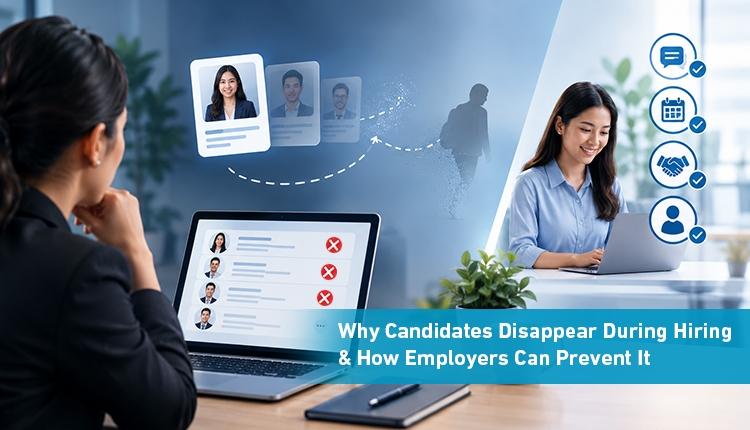
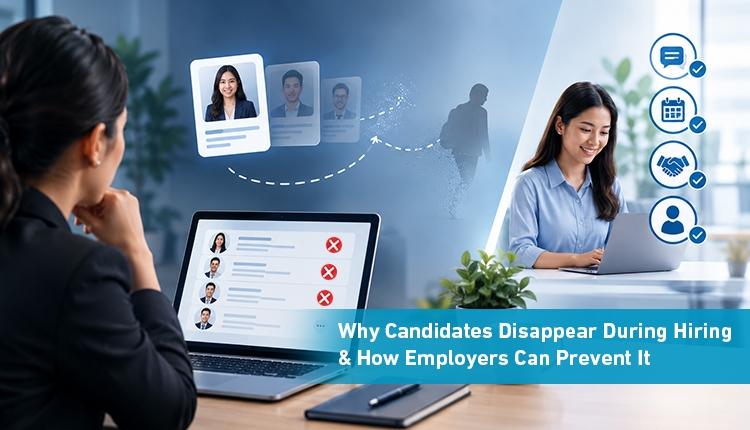
This is called candidate ghosting and can result in employers having job openings and expending their recruitment resources and time. It can be due to a long recruitment process, unclear requirements, ineffective communication, and other factors. If employers can understand the reasons behind candidates dropping out of the recruitment process, it will help them make better improvements and retain qualified candidates.
Why Candidates Disappear During Hiring
There is no single reason why candidates stop responding during recruitment. There are some who lose interest due to delays or lack of communication, others who take up another job offer, or find out that this job is not for them. By having an understanding of these reasons, employers will be able to find out the areas where they are lacking in their hiring process and make decisions accordingly.
Good candidates may apply to multiple companies simultaneously. One employer may be arranging a time for an interview; another may be ready to send an offer. If the process of hiring takes too long, candidates might take an alternate offer instead of waiting for updates.
2. Candidates Do Not Receive Timely Updates
Following the interview, it is only natural that candidates will want to know if they are short-listed or when they will hear back. If the recruiters don't get back to them, applicants might think that their time is not appreciated and find other jobs.
It's important to note that a brief update, regardless of whether the candidate is hired or not, can leave a more positive impression of the company.
3. The Job Does Not Match Their Expectations
Candidates may apply because a job description looks good, but find out at the interview that the duties, hours, location, or experience requirements are not as stated in the posting. When what is offered is not what is mentioned or what the candidate is expecting, it can also become a concern with regard to salary.
If the position differs from what the candidate envisioned, the candidate might lose interest and drop out of the hiring process.
4. Candidates Receive Better Job Offers
Often, candidates will submit their applications to multiple companies simultaneously. An employer may still be interviewing candidates, or waiting to make a decision about hiring, while another might be able to pay more, offer better benefits, be more flexible, provide better working conditions, or offer better career opportunities. They might take the other job and not respond to the other job offer, even after interviewing or taking tests.
That does not mean that the first employer was negligent. At times, however, another opportunity is just right. But if the hiring takes time or the job offer isn't clearly communicated, it will be easier for the candidate to pick another company.
5. The Recruitment Experience Leaves a Bad Impression
Candidates evaluate the company during the recruitment process and not only the job itself. The process of applying for a role can be confusing; the interviewer may ask for the same information over and over again, or may take a long time to call back. The application process can be confusing; the interviewer may ask for the same information again and again, or may not have read the CV before the interview.
Lack of clarity can also be around the role or the workplace and can cause candidates to doubt their desire to join the organisation. Some candidates may just end their engagement in the process, without explaining their concerns.
6. Candidates Change Their Minds or Face Personal Challenges
Some candidates decide to stay in their current jobs, face personal circumstances, reconsider their career plans, or realise that the role no longer suits their needs.
Others may feel uncomfortable declining an opportunity directly and choose to stop responding instead.
How Employers Can Prevent Candidates From Disappearing
While employers can't control what candidates decide to do, they can make the recruitment process clearer and more efficient. Communicating your hiring timeline, regularly and keeping candidates in the loop can help keep them engaged in the process.
1. Set Clear Expectations Early
Explain the interview process, interview timeframes, and when candidates should expect to hear back. Knowing what to expect will enable candidates to plan for the interview and will reduce the chances of them worrying about the status of their application.
2. Follow Up After Interviews
Ensure that candidates are kept informed throughout the recruitment process. Send out interview confirmations and reminders, explain the next step after each interview, and inform the candidates when they will be notified of a decision. Even when there is a delay, a brief update can reassure candidates that their application is still being considered.
Good communication and timeliness demonstrate to candidates that the company values their time and keeps them engaged during the recruitment process.
Review your recruitment process to identify unnecessary delays. Check whether CVs are reviewed promptly, interview rounds are essential, and hiring managers provide feedback on time. Establish objective measures and decisions prior to start of the recruitment process.
Set realistic deadlines for reviewing applications, conducting interviews, and making final decisions. By improving the hiring process, you will be able to maintain the engagement of appropriate candidates and minimize the risk of losing them to another job.
4. Be Transparent About the Job and Offer
Make sure the role description and interview conversations accurately depict the role. Communicate early in the process the responsibilities, salary, benefits, working hours, working conditions, and the expected joining date, etc.
Clear and honest communication helps candidates understand what to expect, make informed decisions, and avoid withdrawing later because the position does not match their expectations.
Analyse recruitment data to determine when candidates are likely to drop out. Do they "walk away" following the first interview, salary negotiation, or after an offer is accepted? When patterns occur over and over, this might indicate some problem that requires attention. For instance, if they are dropping out of salary discussions often, they may mean that they are out of whack on the pay, or if they are leaving after interviews, they may be not sure what they have to expect from the job or that they were not impressed by the interview.
Where appropriate, ask candidates for feedback to understand their reasons for withdrawing. This information can help you recognize your strengths and weaknesses, refine your hiring process, and make better hiring choices.
How Merojob Supports Employers With Recruitment
Finding suitable candidates involves more than publishing a vacancy. Recruitment means more than just advertising a job. Employers should have a streamlined system to reach candidates, check their resumes, and supervise the recruitment process.
Merojob is assisting employers in searching for job seekers in Nepal with different types of recruitment services. There are several options available to employers:
Discover Merojob's recruitment services and find options that suit your organisation's hiring requirements.
Final Thoughts
Candidates who vanish during the hiring process can cause a delay in hiring and put additional strain on HR staff. Employers don't have to stop all withdrawals, but they can limit unnecessary dropouts by having clear expectations, communicating quickly, making timely decisions and setting a realistic description of the position.
Reviewing where candidates leave the process can also help employers identify gaps and improve future hiring. Not every candidate will be the right fit, and some will change their minds. What matters is maintaining a professional, transparent, and efficient recruitment process.
For employers hiring through Merojob, these practices can complement recruitment services and help create a better experience for both recruiters and jobseekers. A better hiring process is not just about finding the right candidate. It is about giving suitable candidates a reason to stay engaged.