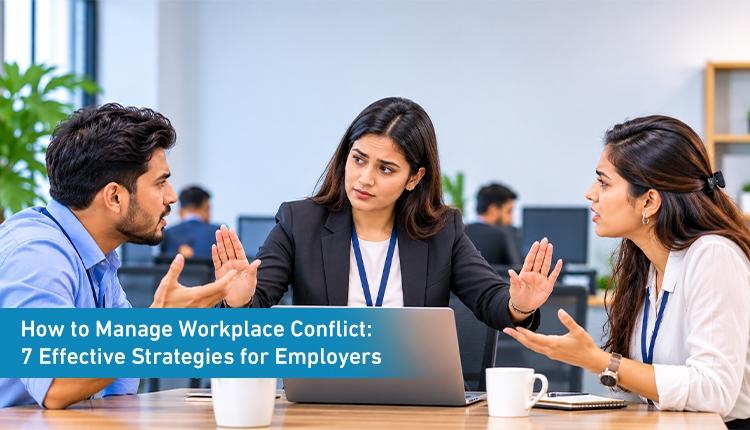
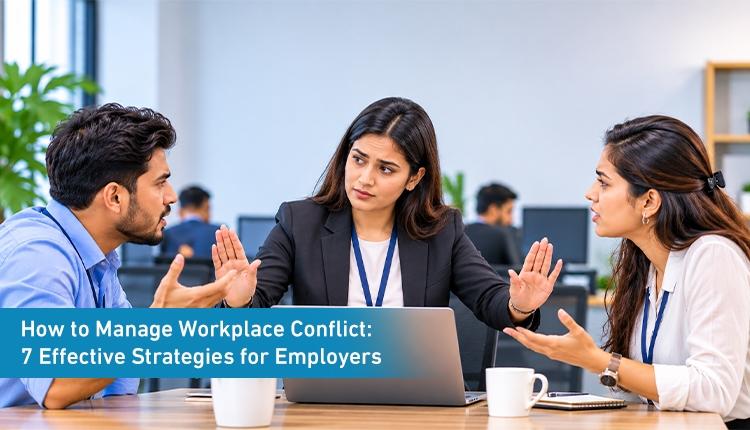
How to Manage Workplace Conflict: 7 Effective Strategies for Employers
Conflict in the workplace may occur over opinions, personalities, working styles, and/or responsibilities. If not resolved, these conflicts can impact communication and collaboration as well as productivity.
Employers' conflict management is more than just resolving conflict. It's about establishing a culture that values people's needs, feels appreciated, and is a team play. Merojob also supports organisations through HR consulting services that help strengthen workplace practices and workforce management.
What Workplace Conflict Means
Workplace conflict occurs when staff, managers, or teams disagree because of differing views, expectations, communication, or work responsibilities. These conflicts can come in the form of regular interactions within the workplace and, if not managed, can impact team performance and employee relationships.
Some common causes of workplace conflict include:
- Poor communication: Misunderstandings, unclear instructions or a lack of information can create frustration.
- Unclear roles and responsibilities: Overlapping duties or undefined expectations can lead to disagreements over tasks and accountability.
- Different working styles: Employees may have different approaches to teamwork, decision-making, and completing tasks.
- Workplace competition: Competition for promotions, recognition or resources can create tension between colleagues.
- Perceived unfair treatment: Favouritism, inconsistent decisions or unequal workloads can affect trust and employee relationships.
- Work pressure: Heavy workloads, tight deadlines, and limited resources can increase stress and lead to disagreements.
Not every disagreement is harmful. Healthy discussions can encourage new ideas and better decisions. However, repeated arguments and unresolved issues can create an uncomfortable work environment. Understanding the causes helps employers address the underlying problems before they affect the wider team.
7 Effective Strategies for Managing Workplace Conflict
Handling conflict in the workplace is a sensitive issue. It's the role of employers and managers to grasp the situation, hear from employees about any problems, and tackle them before they become a performance issue.
Here are seven practical tips to effectively handle workplace conflict:
1. Identify the Signs of Conflict Early
One of the best ways to manage workplace conflict is to recognise it before it becomes a serious issue. A conflict doesn't always start with an argument. It can manifest itself as subtle shifts in employee conduct and interaction. For example, employees who previously worked well together may suddenly avoid conversations, stop sharing information or become less cooperative.
Employers and managers should pay attention to signs such as:
- Frequent disagreements between team members.
- Reduced communication and collaboration.
- Employees avoiding certain colleagues.
- Increased complaints or negative comments.
- Delays in completing shared tasks.
- A noticeable decline in team morale.
To be able to know what's going on in teams, it can be useful to have regular meetings between the managers and the team and to have individual discussions.
What employers can do: Encourage employees to raise concerns early. Create opportunities for open discussions so that small misunderstandings can be addressed before they affect working relationships.
2. Listen to Everyone Involved Without Taking Sides
If there is a conflict, the employer needs to be aware of the point of view of the people involved in the conflict before reaching a decision. When taking sides without understanding the situation, employees may feel that they are not heard and cause more tension. It is important to know what the full story is, even if one worker seems to be at fault.
Managers should speak with the concerned employees on a one-to-one basis and allow adequate time for each employee to express his/her concerns.
During these discussions:
- Ask open-ended questions to understand the situation.
- Allow employees to explain their experiences.
- Avoid making assumptions or reaching conclusions too quickly.
- Listen to different perspectives.
- Keep the discussion professional and confidential.
For example, if two employees disagree about how a project should be completed, the manager should understand each person's concerns before deciding how to move forward.
What employers can do: Approach every conflict with an open mind. Focus on understanding the issue rather than deciding who is right or wrong from the beginning.
3. Address the Root Cause of the Problem
In some cases, the root cause of a workplace dispute is not apparent. For instance, two staff members may disagree on who should do what. The real problem, however, might be confusion about who is responsible for what, or unequal workloads.
Likewise, disagreements between team members can occur due to miscommunication, lack of support, and unclear management expectations. Telling employees to 'drop it' won't fix the issue. Employers need to find out what is [still] going wrong and why. They can do so in the following ways
- Reviewing how the conflict started.
- Checking whether job roles and responsibilities are clearly defined.
- Identifying communication gaps or management issues.
- Understanding whether workload distribution is fair.
- Reviewing workplace policies or procedures that may contribute to the problem.
What employers can do: Focus on solving the actual problem rather than addressing only the behaviour that resulted from it. A clear understanding of the cause can help prevent similar conflicts in the future.
4. Encourage Open and Respectful Communication
Mistrust is frequently a source of disagreements in the workplace. If staff are not at ease in sharing their concerns, misunderstandings may persist and lead to unnecessary tension. Employers should foster an environment at work where employees can express their views, ask questions, and talk about issues in a respectful manner.
This does not imply that everyone has to be in agreement with one another. Employees should be able to voice other points of view without resorting to personal attacks or inappropriate behavior.
For example, when two team members disagree about a project decision, managers can encourage them to explain their reasoning and discuss possible solutions instead of turning the discussion into a personal argument.
What employers can do: Lead by example. Managers who communicate clearly, listen to feedback, and treat employees respectfully can help establish better communication practices across the organisation.
5. Find a Fair and Practical Solution
When the problem and the problem-solving process are defined, it is necessary to identify the solution that satisfies all participants. The essence of a good conflict resolution process is not to make one person "win" and the other "lose". It should enable employees to see beyond their viewpoints and come to an agreement on how to proceed.
Employers and managers can bring the concerned employees together for a discussion, provided it is appropriate and safe to do so.
During the discussion:
- Clearly explain the issue that needs to be resolved.
- Give everyone an opportunity to share their views.
- Identify areas where both parties can agree.
- Discuss possible solutions.
- Decide on practical steps to prevent the issue from happening again.
For example, if two employees disagree over task ownership, the manager can clarify their responsibilities and establish a clear process for sharing work.
In some situations, a neutral HR representative or trained mediator may help facilitate the discussion.
What employers can do: Choose solutions that are fair, realistic, and suitable for the situation. Make sure everyone understands what has been agreed upon and what is expected moving forward.
6. Establish Clear Workplace Policies and Expectations
Staff should be aware of acceptable behaviour and the expectations of them in the workplace. If the work environment has not been clearly established, employees and managers might have conflicting expectations regarding professional behavior, responsibilities and the treatment of conflict.
Employers should have clear guidelines on:
- Roles and responsibilities of employees.
- Communication skills and professional behaviour in the workplace.
- Reporting and dealing with complaints in the workplace.
- Behaving in a respectful way and treating others fairly.
What employers can do: Review existing HR policies regularly and make sure employees understand them. Clear expectations can reduce misunderstandings and help managers handle conflicts more consistently.
7. Follow Up and Monitor the Situation
Disagreements can be resolved, but the conflict isn't necessarily ended. Staff may come to a state of agreement, but the underlying tension will stay. If not followed up appropriately, the same problem could occur again and impact teamwork.
Managers need to monitor if the agreed solution is effective and if staff are happy working together. Follow-up Actions could include:
Follow-up actions may include:
- Scheduling individual check-ins with the employees involved.
- Reviewing progress on agreed actions.
- Observing communication and collaboration within the team.
- Asking employees whether additional support is needed.
- Making changes to responsibilities or work processes when necessary.
For example, after resolving a disagreement between two team members, a manager can arrange a follow-up discussion after a few weeks to understand whether their working relationship has improved.
What employers can do: Treat conflict resolution as an ongoing process. Regular follow-ups help ensure that the issue has been addressed and employees can continue working together effectively.
How Does Workplace Conflict Affect Team Performance?
Unresolved workplace conflict can affect more than the employees directly involved. It can also influence the overall performance of a team and organisation.
Some common effects include:
- Reduced productivity: Employees may spend more time dealing with disagreements than completing their work.
- Poor teamwork: Conflict can weaken trust and reduce cooperation between colleagues.
- Low employee morale: A tense work environment can affect motivation and job satisfaction.
- Work delays: Miscommunication and poor coordination can interrupt daily operations.
- Higher employee turnover: Ongoing workplace tension may encourage employees to leave the organisation.
Managing conflict effectively helps employers maintain a professional work environment where employees can focus on their responsibilities and contribute to organisational goals.
Final Thought
Conflict is a natural part of any organisation, but how it is handled can make a significant difference in resolving conflict in the workplace. By understanding what workers are saying, allowing for open communication, solving issues early, and ensuring fairness, employers can create a better working environment.
The first step in a positive workplace is good HR practice and good employee relations. Merojob also supports organisations through its HR consulting services, helping them improve workplace practices and manage their workforce effectively. With a little guidance, employers can foster a work environment that is respectful, supportive, and collaborative.