Since its inception in 2009, Merojob has been at the forefront of connecting job seekers and employers in Nepal. The goal is to provide a comprehensive platform for job seekers to find jobs in Nepal and for employers to find the right fit for their organization. We pride ourselves on being a reliable bridge between hiring employers and job seekers and have established ourselves as a national leader in recruitment solutions.Read more...
Decentralizing HR - What Should Line Managers Own vs. Escalate?
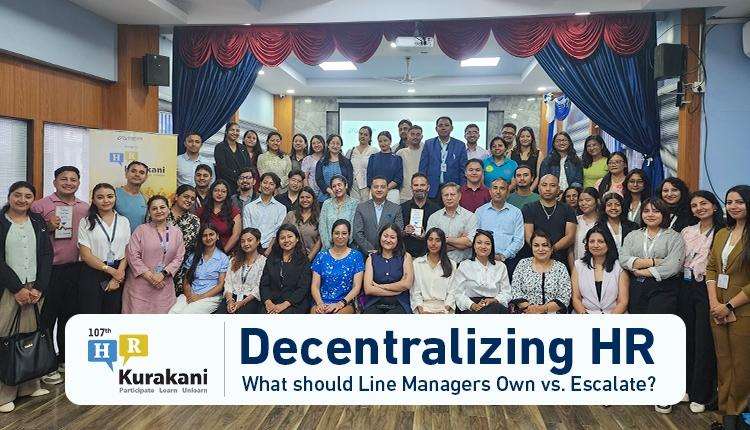
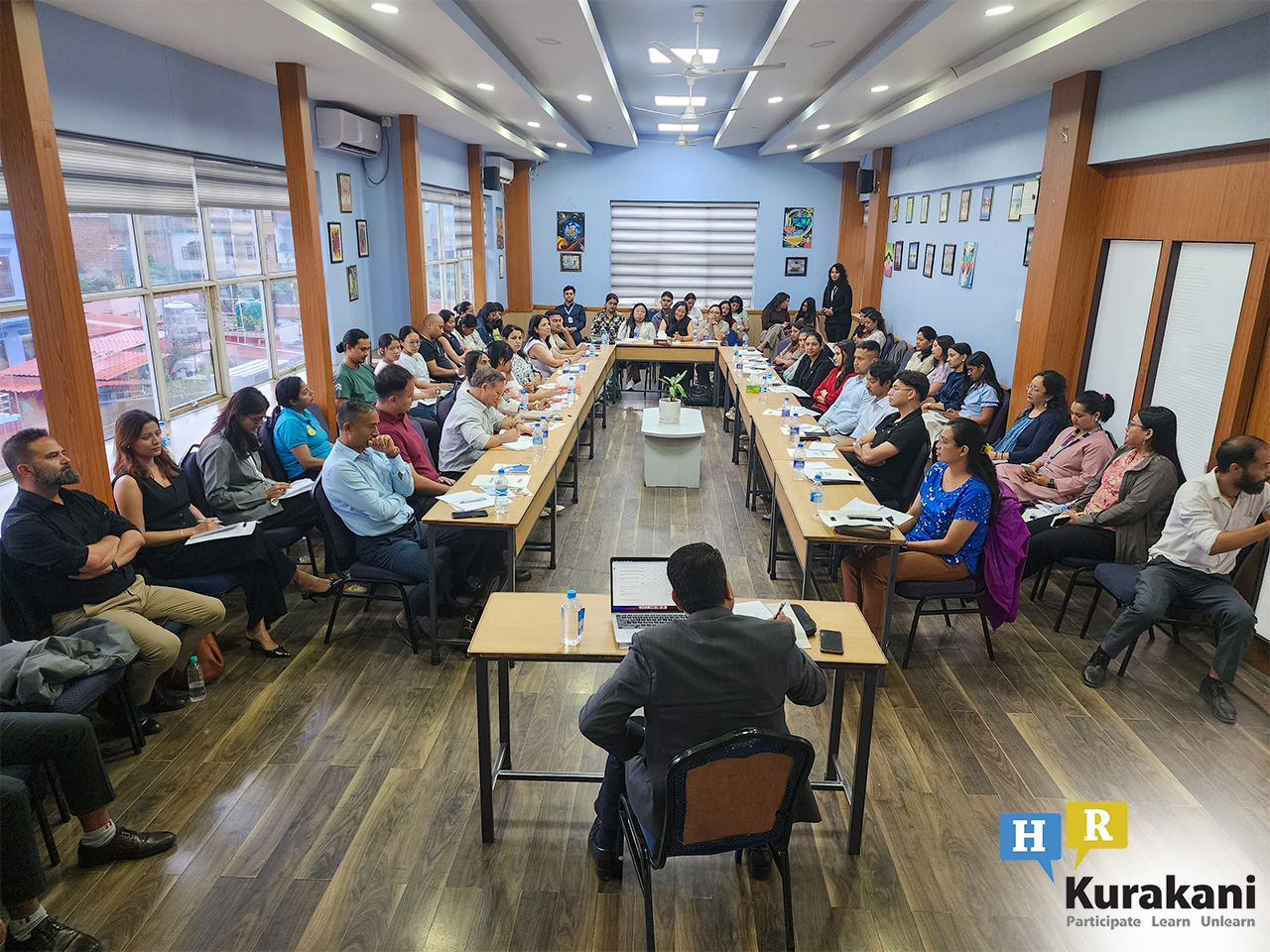
The 107th edition of HR Kurakani was an engaging discussion that brought together HR professionals, managers, and industry leaders to explore how organizations can effectively distribute people-management responsibilities between HR and line managers. The session was held on August 12, 2026, at Kanjirowa National Secondary School, Kathmandu.
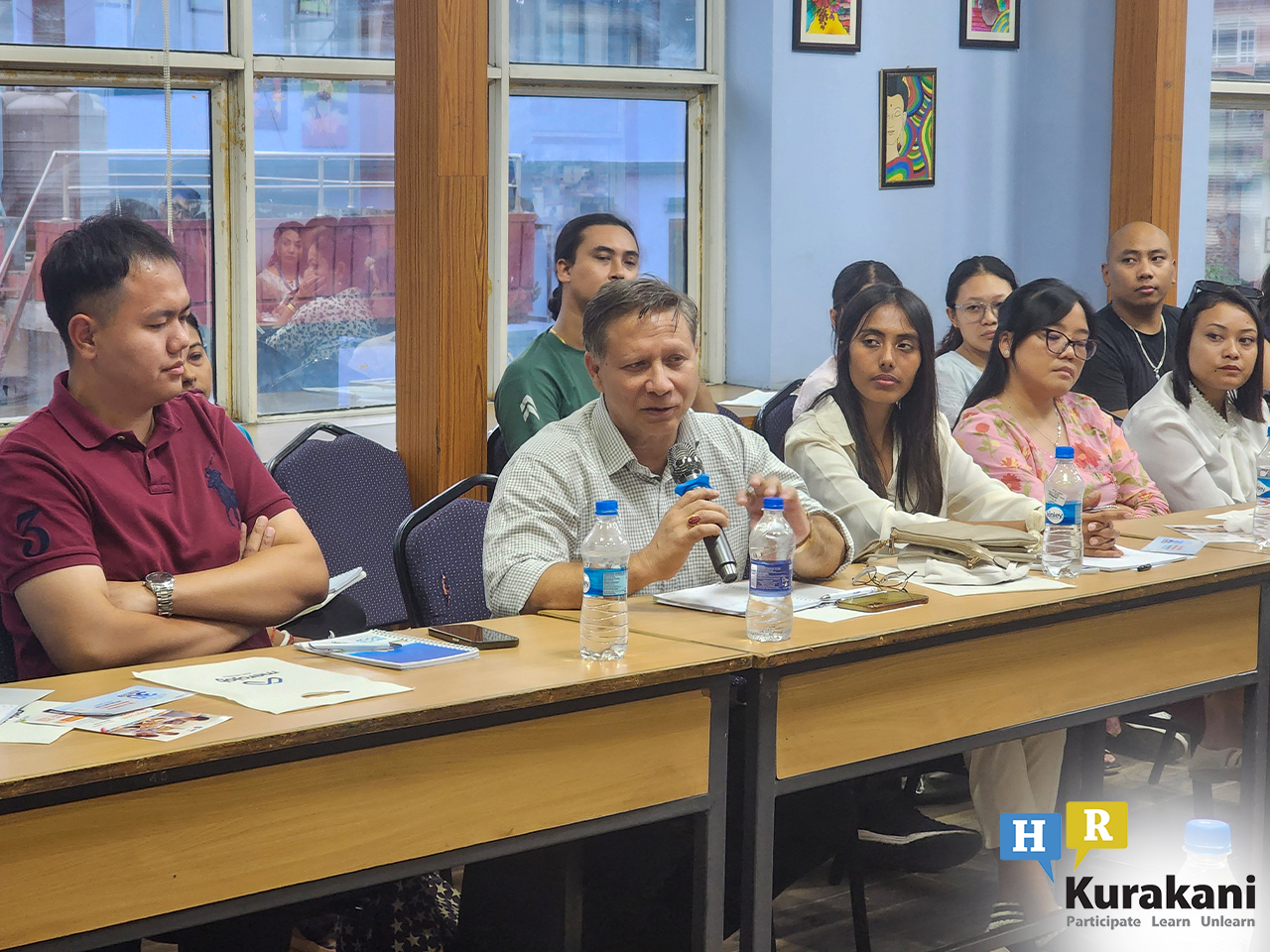
This session was moderated by Mr. Shailendra Raj Giri, Founder & Chairman of MeroJob Limited, and centered on the theme "Decentralizing HR: What Should Line Managers Own vs. Escalate?". The discussion focused on identifying which responsibilities can be owned by line managers and which situations require HR intervention and oversight.
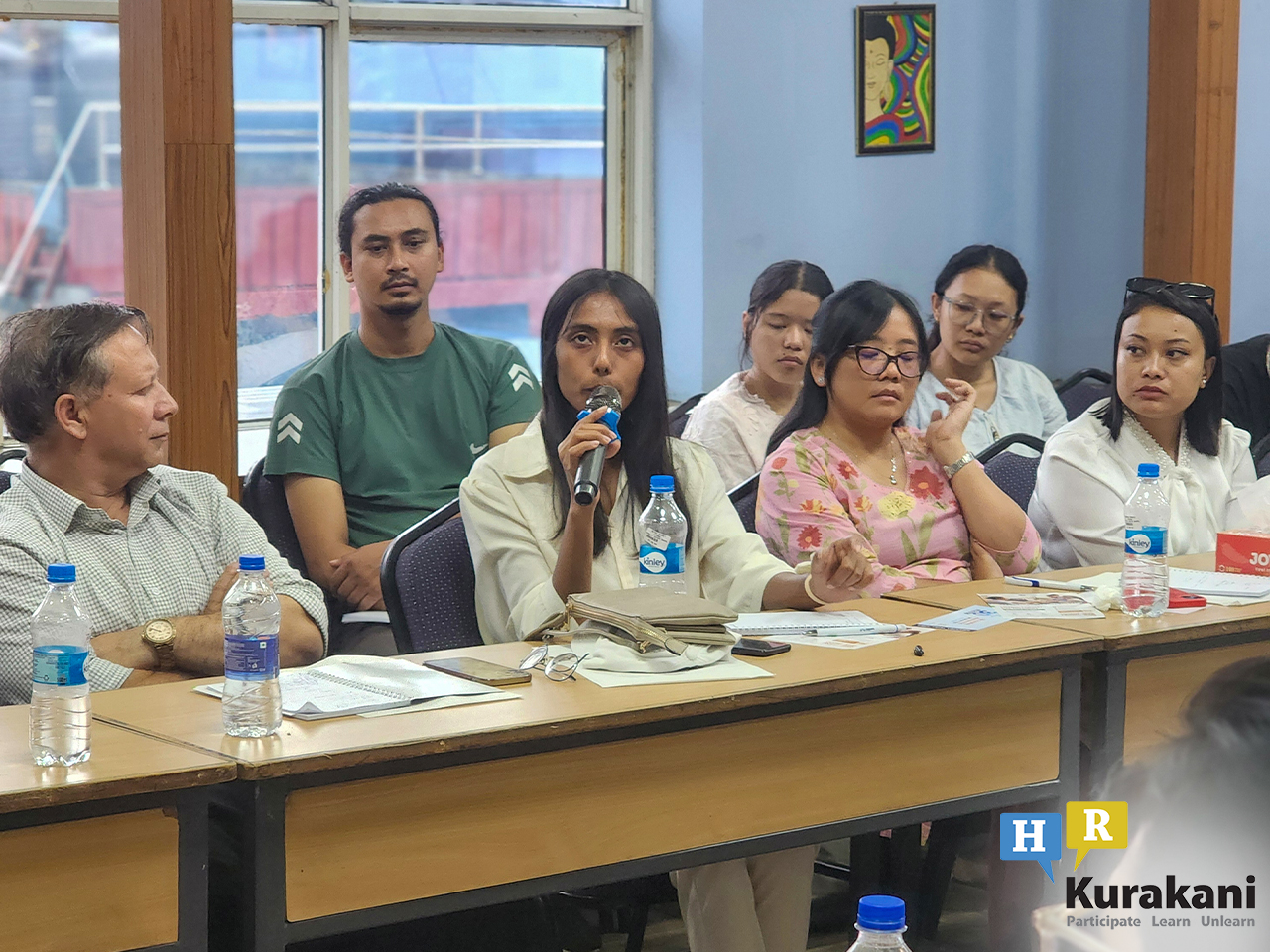
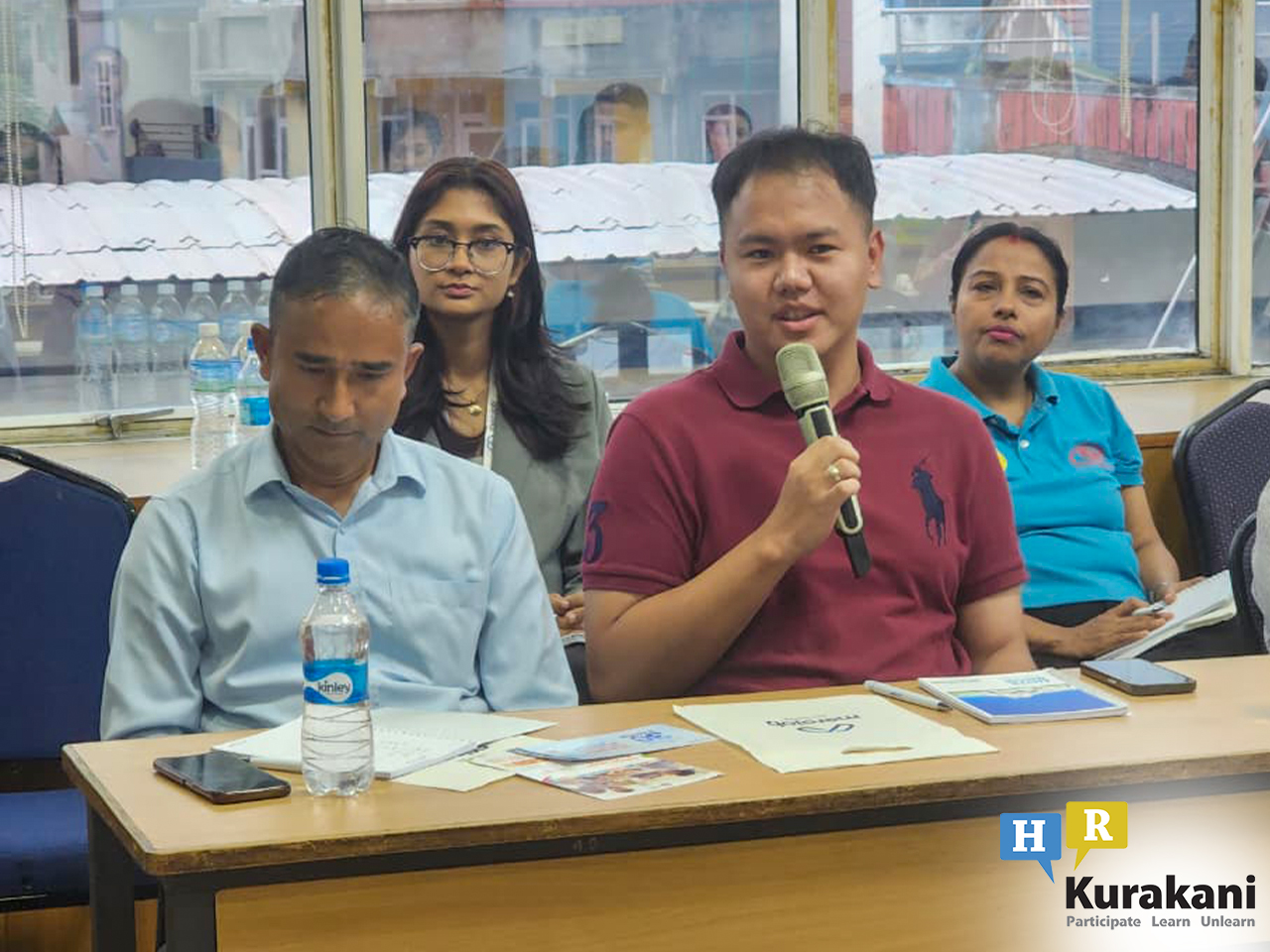
Throughout the session, professionals shared experiences, practical examples, and organizational practices related to hiring, performance management, employee relations, conflict resolution, promotions, and workplace accountability.
Understanding the Need for HR Decentralization
Mr. Shailendra Raj Giri, Managing Director of Merojob, raised an important question for participants: Should all people-management responsibilities remain with HR? This question became the foundation for the discussion as professionals explored accountability among HR professionals, line managers, senior leaders, and employees.
Talent Acquisition
The first discussion focused on talent acquisition and onboarding. Participants examined accountability during resume screening, candidate selection, interviews, and onboarding activities. One of the key questions raised was who should be held accountable for hiring decisions and whether HR should be present throughout the hiring process.
Sharing his perspective, Mr. Utsav Kumar Mishra of Bagaicha Fine Dining Restaurantstated that HR may not always know the specific qualities required for every role, making the presence of line managers essential during recruitment and selection. According to him, line managers have a stronger understanding of the technical requirements and expectations associated with the position.
Adding to the discussion, Mr. Ujwal Sundas, Managing Director of Samata Foundation, explained that HR understands the broader hiring guidelines and organizational policies, whereas line managers understand the practical requirements of the job. He emphasized that line managers should play a leading role in candidate selection while HR supports the process through policy guidance, organizational alignment, and recruitment expertise.
Several participants emphasized that line managers possess a deeper understanding of the technical and operational requirements of a role, while HR contributes expertise related to organizational policies, recruitment processes, and workplace culture. As a result, participants generally agreed that hiring decisions are most effective when HR and line managers work collaboratively.
Onboarding
The conversation then shifted toward onboarding. Ms. Dipa Dahal, Regional Programme Support Officer of Oxfam Denmark, shared that managers in her organization receive training to develop hiring and people-management capabilities. She highlighted the importance of preparing managers to handle responsibilities that have traditionally been managed by HR.
Similarly, Ms. Pritisha Giri, People and Culture Officer at Adex International, stressed that onboarding should be a shared responsibility between HR and line managers. She discussed the importance of assigning buddies to new employees and maintaining acknowledgement forms to ensure a structured onboarding experience.
Ms. Pranita Adhikari, Training and Development Coordinator at My Space Pvt. Ltd., shared that her organization uses onboarding forms, checklists, buddy systems, and progress reviews to support new employees. She also explained that while line managers evaluate job-related performance, HR focuses on behavioural aspects and overall integration into the organization.
Summarizing the discussion, Mr. Shailendra Raj Giri highlighted that onboarding is a shared responsibility involving HR, line managers, and employees. He further emphasized the importance of documentation, progress tracking, and continuous communication throughout the onboarding process.
The conversation then moved to performance management and feedback. Participants discussed whether HR should always be involved in performance discussions and how organizations can decentralize performance management without compromising fairness and consistency.
Mr. Shailendra Raj Giri highlighted that if organizations intend to decentralize HR responsibilities, managers must first be trained on how to provide effective feedback. He also stressed the importance of active listening and communication skills in performance conversations.
Participants also agreed that HR plays a vital role in training managers to avoid bias, support evidence-based decision-making, and maintain fairness throughout the performance management process.
Ms. Priyanka Thapa, Admin Officer atKarkhana Pvt. Ltd., shared that conducting regular discussions when employees are dissatisfied with feedback and maintains documentation to ensure transparency and consistency. She emphasized that personal conversations help employees feel connected and understood.
Professionals also stated practices such as self-appraisals, annual performance reviews, structured ratings, documentation, and active listening. The session emphasized that decentralization requires investment in manager development, particularly in communication and feedback delivery skills.
Employee Relations and Conflict Resolution
Employee relations and workplace conflict management formed another area of discussion. Participants shared examples of daily huddles, regular reporting systems, team meetings, and town halls that help organizations improve communication and reduce workplace conflict.
Ms. Nisha Bhatta, HR Manager at Janaki Technology Pvt. Ltd., urged that conducting daily 15-minute huddles to discuss priorities and tasks can help maintain transparency and reduce workplace misunderstandings.
Similarly, Mr. Prashrin Shrestha, Business Development Officer at Topaz IT International, explained that regular reporting and communication practices within technical teams help strengthen relationships, improve transparency, and ensure accountability across departments.
Participants also discussed practices such as Monday huddles, emotional well-being, and knowledge-sharing sessions that help employees connect beyond their day-to-day responsibilities. These practices were viewed as effective ways to strengthen team relationships and minimize workplace conflict.
The role of structured systems such as OKRs, KPIs, documentation, and regular communication was also highlighted as a means of improving accountability and minimizing workplace conflict.
Compensation, Promotion, and Exit Management
The final discussion focused on compensation, promotion, and exit-related responsibilities. Participants explored who should be accountable for promotion decisions and how these decisions should be managed within organizations.
Participants generally agreed that line managers are well-positioned to evaluate employee performance and readiness for promotion, while HR ensures that decisions remain aligned with organizational policies and broader business objectives. The importance of involving senior leadership, maintaining policy consistency, and promoting accountability throughout the process was also discussed.
Participants further discussed the importance of shared leadership, collective decision-making, and labor law awareness among managers. They agreed that successful HR decentralization requires strong policies, leadership alignment, and continuous capability development.
Key Takeaways from the Session
The 107th HR Kurakani highlighted that decentralizing HR does not mean reducing the importance of HR. Instead, it may involve equipping line managers with the skills, knowledge, and authority required to manage day-to-day people-related responsibilities while ensuring HR remains responsible for guidance, governance, policy development, and organizational consistency.
The discussion reinforced that successful decentralization depends on collaboration between HR and line managers, supported by clear policies, ongoing training, effective communication, and shared accountability. Through leadership development, technology, structured processes, and continuous learning, organizations can create a balanced approach to people management that empowers managers while maintaining effective HR oversight.
Concluding the session, Mr. Shailendra Raj Giri emphasized that while HR remains essential, many responsibilities can be decentralized through proper systems, policies, and capability building. He closed the discussion with the message of continuing the journey toward effective workplace decentralization.