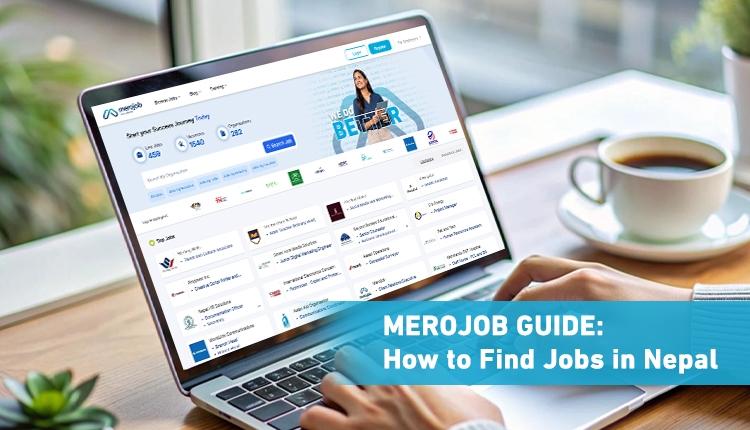
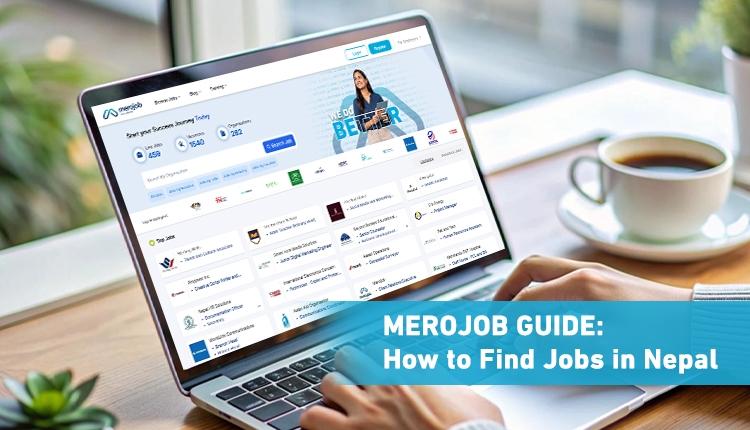
Since its inception in 2009, Merojob has been at the forefront of connecting job seekers and employers in Nepal. The goal is to provide a comprehensive platform for job seekers to find jobs in Nepal and for employers to find the right fit for their organization. We pride ourselves on being a reliable bridge between hiring employers and job seekers and have established ourselves as a national leader in recruitment solutions.Read more...
What You Say & How You Say It: Mastering HR Communication With Toastmasters
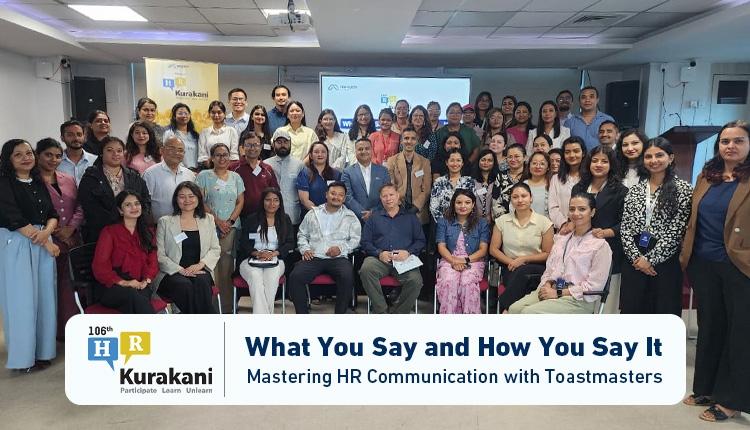
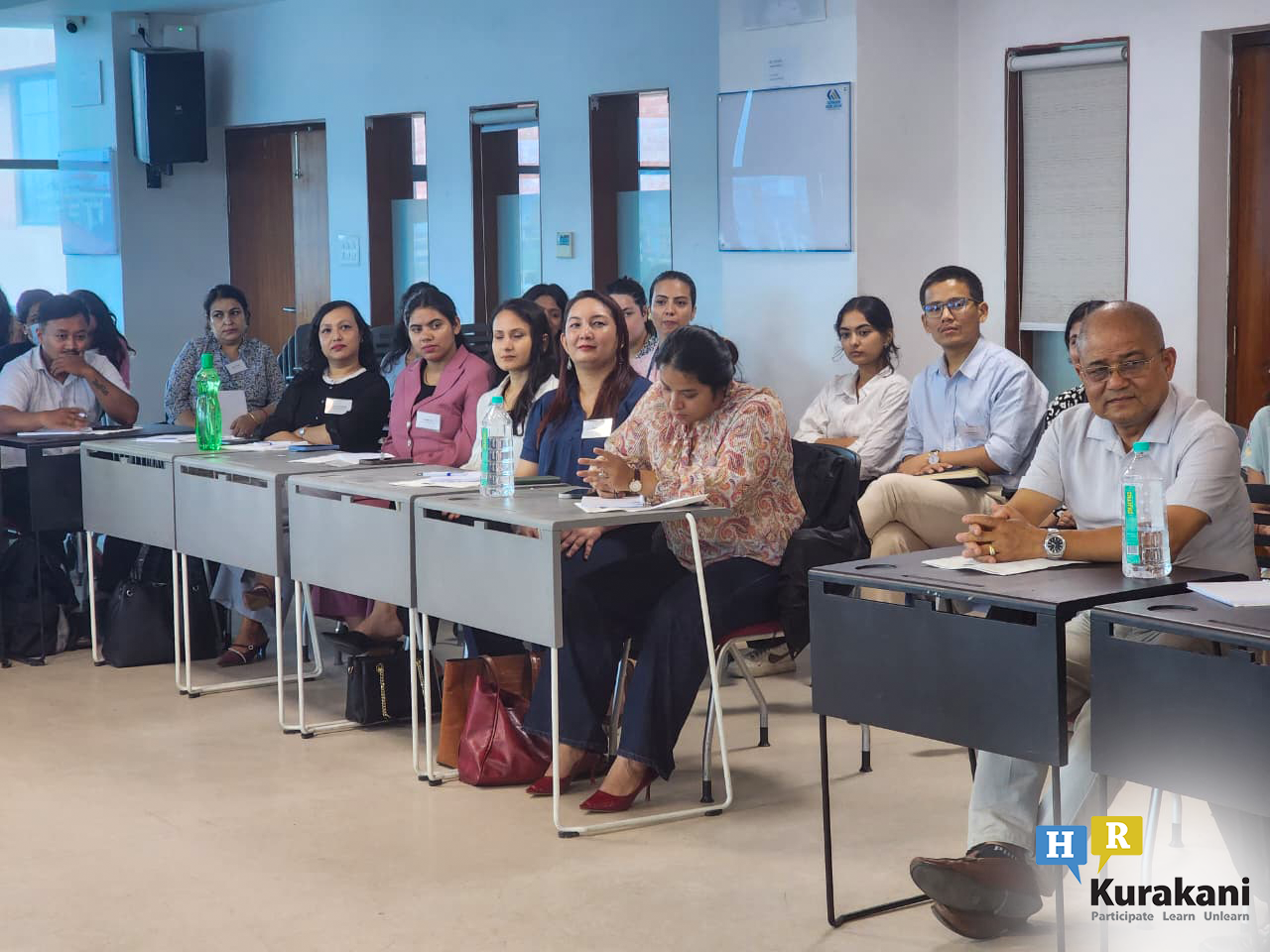
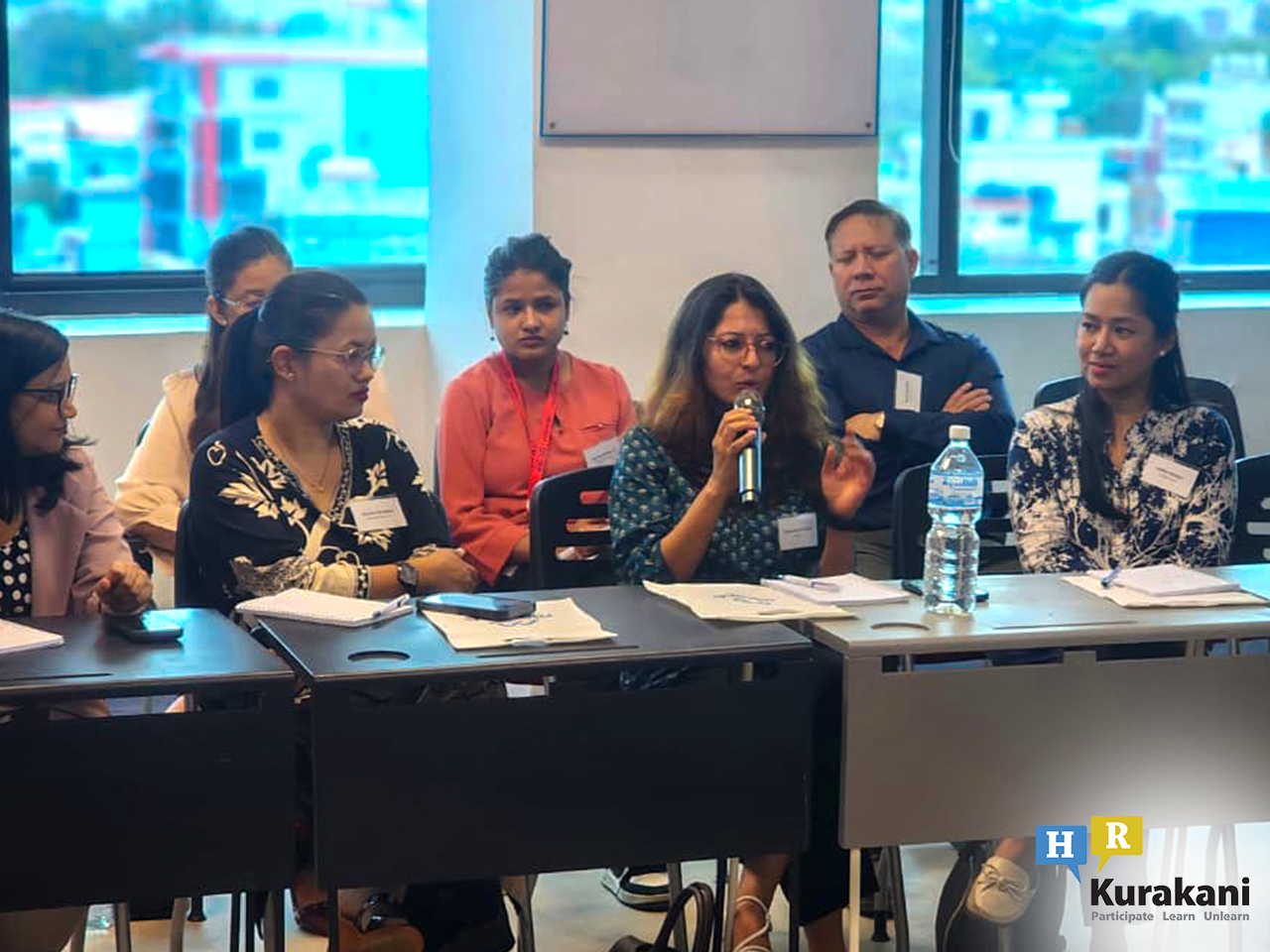
The 106th edition of HR Kurakani was an insightful session that brought HR professionals, industry leaders, and Toastmasters together to explore the importance of effective communication in the workplace, which was held on July 15, 2026, at Kathmandu Model College.
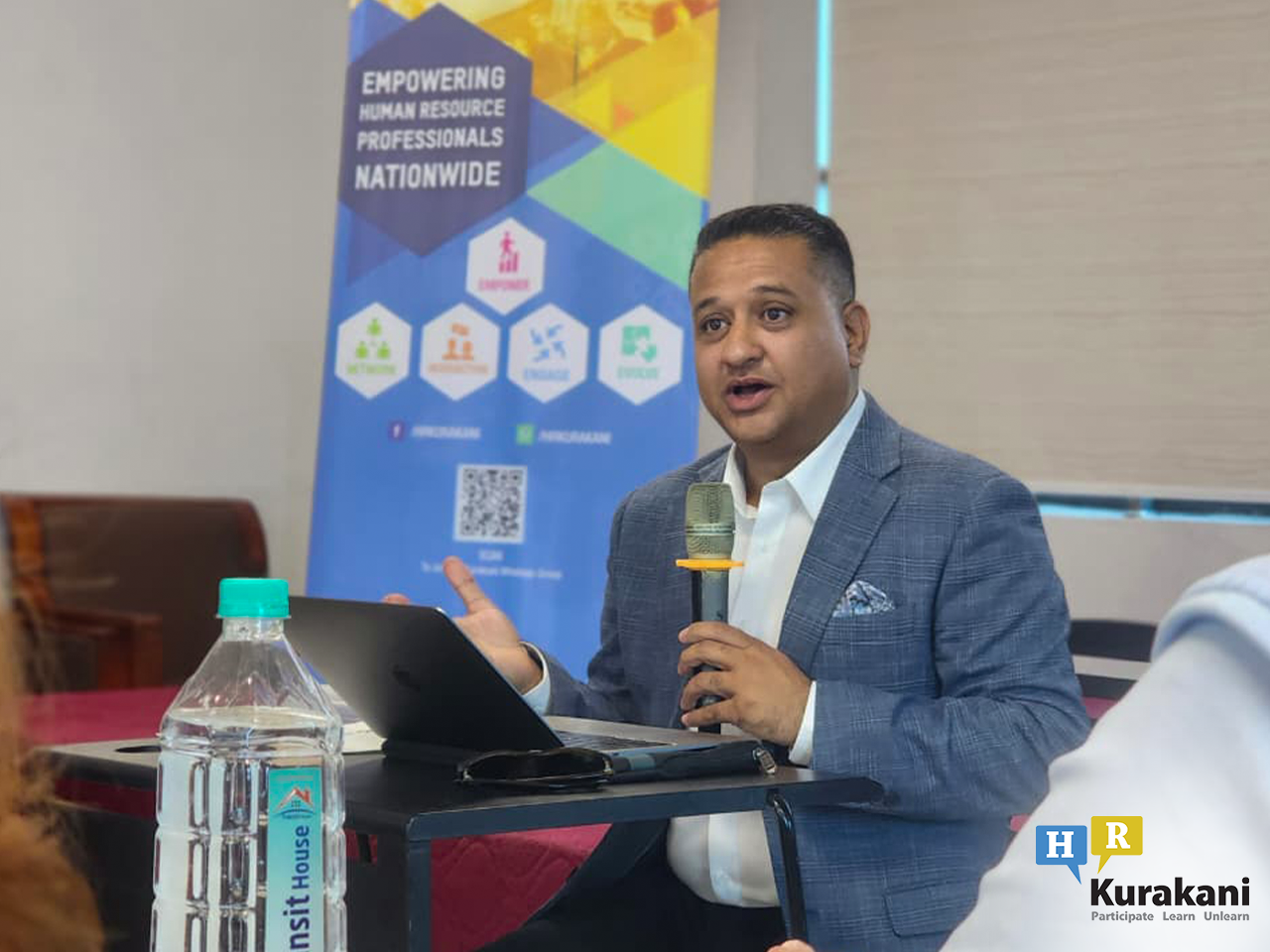
This session was moderated by Mr. Shailendra Raj Giri, Founder & Chairman of MeroJob Limited, and centered on the theme “What You Say and How You Say It: Mastering HR Communication with Toastmasters”.
Throughout the event, speakers and participants shared experiences, practical examples, and communication techniques that HR professionals can apply in their daily interactions.
Opening the session, Mr. Shailendra Raj Giri reflected on how the COVID-19 pandemic reinforced the importance of HR within the organization. According to Mr. Shailendra Raj Giri, communication in HR extends far beyond words. HR professionals play a critical role in employee development, leadership growth, and organizational culture.
He also noted, “The way you walk, the way you talk, and the things you say matter”.
Understanding the Importance of Body Language
The session began with a discussion on the topic of body language and its impact on workplace communication. Ms. Grishma Shrestha, a Toastmaster with over 20 years of experience in the development sector, shared that communication is not only about what is said but also about how it is conveyed. She also emphasized that HR communication is a two-way process, where understanding the audience is just as important as delivering a message.
According to her, a smile, appropriate expressions, and positive body language can significantly improve communication outcomes. Since HR acts as a bridge between management and employees, verbal and non-verbal communication play an equally important role.
Why Body Language Matters in HR and Interviews
Mr.Shailendra Raj Giri highlighted that body language is constantly observed in a professional environment, whether it is in the workplace or during interviews. Every movement, gesture, tone, and expression of an HR professional is observed by the employees and can influence how messages are received.
He also emphasized its importance during recruitment processes, as jobseekers are often evaluated through their body language from the beginning of the interview. Since first impressions are formed quickly, body language and tone can significantly impact interview outcomes.
Voice Variety, Vocal Fillers, and Strategic Silence
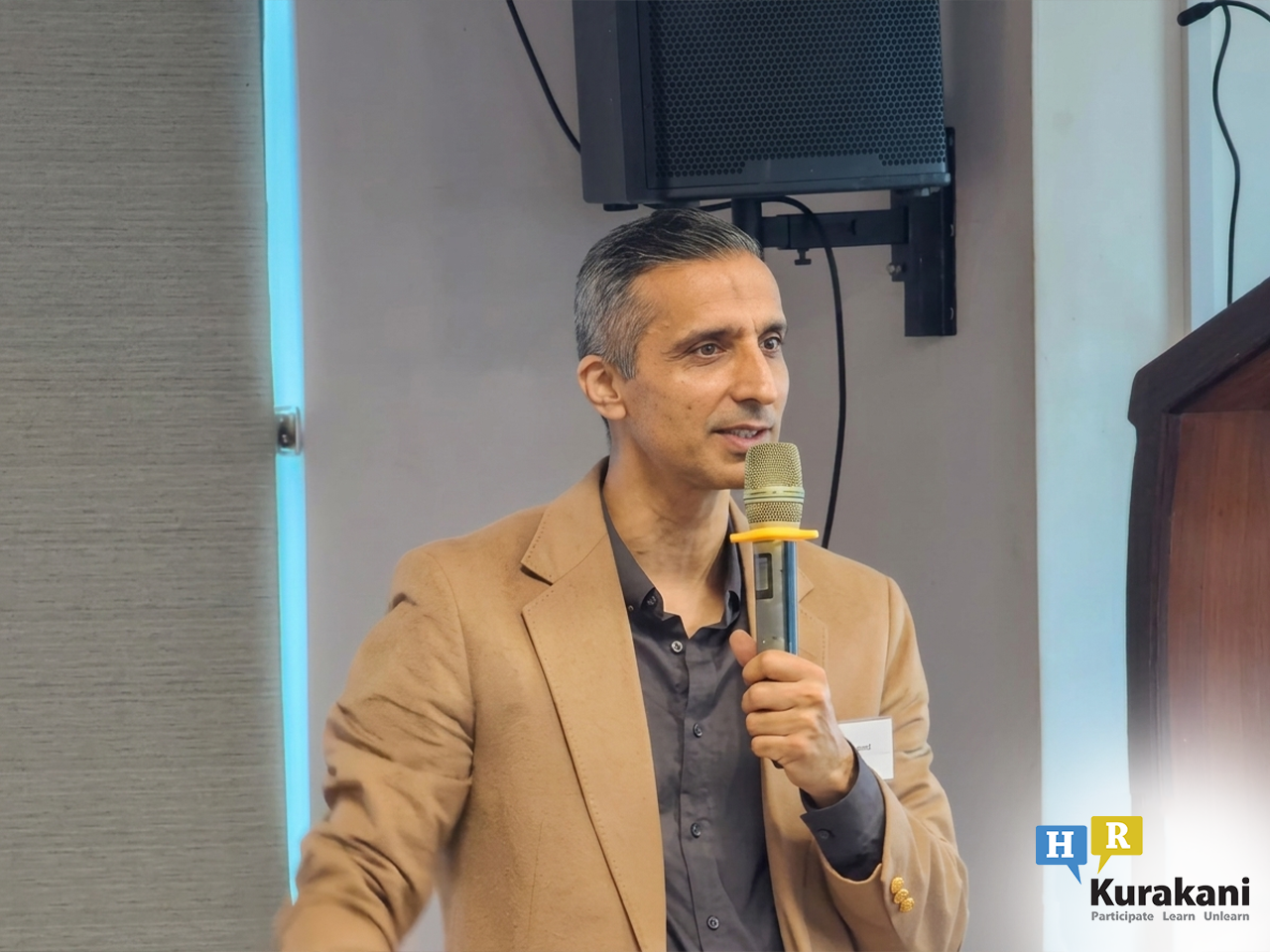
The conversation then shifted toward the role of voice in communication. Toastmaster Rabi Mainali, with nearly two decades of experience, explained the importance of voice variety and strategic pauses in communication. He shared that silence can be incredibly powerful when used intentionally. In many situations, silence allows listeners to process information and creates greater impact than continuous speaking.
He also added that vocal fillers such as "um," "ah," and similar expressions can be useful if used moderately but may become distracting when overused. Many participants agreed that knowing when to pause can sometimes be just as effective as knowing what to say.
Mr. Rabi Mainali also highlighted that effective speakers understand not only how to speak but also when to pause and when to remain silent. The discussion further explored different elements of body language, including posture, movement, eye contact, and facial expressions. Participants agreed that eye contact remains one of the most powerful communication tools, helping establish confidence, trust, and engagement.
The Role of Silence in Difficult Conversations
Ms. Rasna Shrestha, HR Manager at JAVRA Software Nepal Pvt. Ltd., shared her experience of using silence during performance reviews and layoffs. However, she acknowledged that silence can be powerful but may create awkward situations if not managed properly.
In response, Mr. Rabi Mainali suggested that professionals prepare for difficult conversations through rehearsal and role-play. Practicing challenging scenarios repeatedly can help HR professionals become more comfortable handling silence and maintaining productive conversations. He encouraged HR professionals to observe the other person's reactions and maintain engagement even during moments of silence.
Listening Skills and Active Listening in HR
Ms. Chandrika Acharya, a Toastmaster, emphasized that listening is one of the most important skills for HR professionals. She shared how her experience in Toastmasters strengthened her ability to listen more effectively. By understanding what employees are truly trying to communicate, HR professionals can respond more effectively and build stronger relationships.
Ms. Grishma Shrestha further expanded the value of active listening. According to her, active listening goes beyond hearing words. It involves understanding what employees truly mean and ensuring they feel respected, understood, and valued throughout the conversation. For HR professionals, active listening can strengthen relationships, improve employee trust, and lead to more effective problem-solving.
Building Trust Through Communication`
Mr.Shailendra Raj Giri highlighted that HR professionals are often expected to take the lead in workplace interactions, create positive environments, and help maintain organizational trust. He also noted that storytelling and effective communication can help HR professionals connect with employees and strengthen workplace relationships.
Mr. Ujjwal Sundas, Managing Director of Samata Foundation, emphasized that HR communication should be grounded in facts and evidence. According to him, trust develops when employees believe that HR decisions and communications are transparent, objective, and fair. The discussion also highlighted an important distinction between silence and ignorance. While silence can be used strategically, employees should never feel ignored when they approach HR with concerns or challenges.
Navigating Negotiations and Difficult Conversations
Negotiation was another important area discussed during the session. Sharing practical experiences from the workplace, Ms. Suprina Shrestha, Group HR Head at TheeGo Clean Energy Pvt. Ltd., explained that successful negotiation often begins with understanding employee expectations. She discussed how asking the right questions can help HR professionals identify employee priorities and work toward mutually beneficial outcomes.
Similarly, Mr. Hari Shrestha, HR Coordinator at Welthungerhilfe, highlighted the importance of balancing employee expectations with organizational policies and experience levels. Mr. Rabi Mainali further highlighted the importance of entering negotiations with confidence and multiple options, enabling HR professionals to navigate discussions more effectively.
Other participants also emphasized the importance of preparation before negotiations and interviews. Understanding the situation, evaluating available options, and maintaining confidence were identified as valuable strategies for productive discussions.
Empathy, Professionalism, and Facial Expressions
When participants raised questions about facial expressions and emotional responses, Mr. Rabi Mainali explained that communication effectiveness depends greatly on emotional intelligence and social skills. The discussion highlighted the importance of balancing empathy and professionalism. HR professionals must understand employee emotions while maintaining professional boundaries.
Ms. Vedika Shakya, HR Lead at Siddhartha Capital, reinforced this point by emphasizing that professionalism should remain a priority regardless of the situation. The session also explored the distinction between sympathy and empathy. Participants discussed how empathy enables HR professionals to better understand employee experiences while still making objective and fair decisions.
Giving Feedback That Creates Growth
Feedback emerged as another major topic during the session. Ms. Chandrika Acharya recommended the Sandwich Method, which involves beginning with appreciation, discussing areas for improvement, and concluding with encouragement. This approach helps employees receive feedback more positively.
Mr. Rabi Mainali also added that feedback should be delivered with warmth, calmness, and genuine concern for employee growth. He encouraged HR professionals to create supportive environments and focus on helping employees improve rather than simply pointing out mistakes. He also introduced the concept of maintaining a 3:1 ratio by highlighting three positive observations for every one area of improvement.
Mr. Shailendra Raj Giri emphasized the need for diplomacy while delivering feedback, ensuring that even difficult messages are communicated constructively. He also highlighted that even in challenging situations, the way HR communicates and handles the situation matters greatly, and maintaining trust is crucial.
Empathy, Ego Management, and Conflict Resolution
The session also explored empathy and conflict management. Participants agreed that making employees feel valued, listening to their perspectives, and acknowledging their concerns can help reduce workplace conflict.
Mr. Rabi Mainali explained the difference between sympathy and empathy and introduced three forms of empathy, which are communicative Empathy, emotional Empathy, and compassionate (Action-Oriented) Empathy. These forms of empathy help HR professionals understand and respond to employee concerns more effectively.
Handling Non-Verbal Situations with Senior Leaders
The session also explored situations where conversations with senior leaders become lengthy or drift away from the main agenda. Participants suggested respectfully redirecting discussions, reminding leaders about schedules, and tactfully bringing conversations back to the original objective. Such approaches help maintain productivity while preserving professional relationships.
Learning Beyond the Workplace Through Toastmasters
Towards the end of the session, participants were introduced to the role of Toastmasters in developing communication and leadership skills.
Ms. Grishma Shrestha explained that Toastmasters is a global non-profit educational organization dedicated to helping individuals become more confident communicators and leaders. She shared that Toastmasters has been active in Nepal for more than three decades, with Kathmandu Toastmasters Club being the first club established in the country, and continues to provide opportunities.
Through regular practice, constructive feedback, and supportive learning environments, Toastmasters helps individuals strengthen their public speaking, leadership, and interpersonal communication skills. She also encouraged interested professionals to explore nearby Toastmasters clubs or participate through online platforms for personal and professional growth.
Key Takeaways from the Session
The 106th HR Kurakani highlighted that effective communication extends far beyond speaking. Body language, active listening, strategic silence, empathy, negotiation skills, and constructive feedback all contribute to successful HR practice.
The session provided valuable insights from HR leaders and Toastmasters members, offering practical approaches that professionals can apply in interviews, negotiations, employee relations, conflict management, and everyday workplace communication.
Concluding the session, Mr. Shailendra Raj Giri wished all participants success in their professional journeys and expressed hope that the insights shared during the program would help them become more effective communicators and HR leaders.